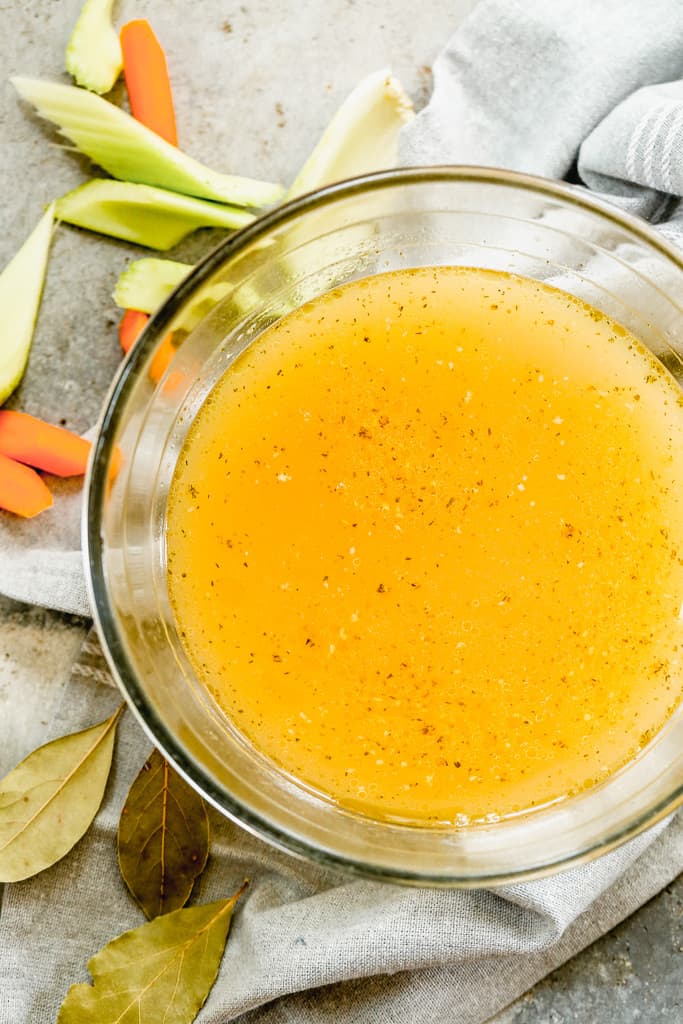
Homemade Chicken Broth: Flavor, Efficiency, & Clear Results
There are few culinary endeavors as profoundly rewarding as learning how to make chicken broth from scratch. More than just a liquid base for your favorite recipes, homemade chicken broth is a golden elixir that elevates dishes, nourishes the body, and fills your home with an unparalleled aroma of comfort. It's a simple process, often described as a "low-effort ritual," that yields incredible dividends: tender cooked chicken for countless meals and a rich, deeply flavored broth that far surpasses any store-bought alternative. If you're ready to unlock a new level of flavor and efficiency in your kitchen, join us on a journey to discover the art of crafting your own, beautifully clear chicken broth.
The Unrivaled Benefits of Authentic Homemade Chicken Broth
Embarking on the quest of **how to make chicken broth** isn't just about following a recipe; it's about embracing a philosophy of flavor, frugality, and fantastic food. When you make your own broth, you gain complete control over the ingredients, ensuring a pure, additive-free product that's customized to your taste. This process isn't just about the broth itself; it's a clever way to produce two essential building blocks for your kitchen from a single pot. Typically, a good recipe will yield around 4 cups of succulent cooked chicken and 2 quarts of liquid gold. It's a testament to kitchen efficiency, proving that with a little patience, you can create a culinary foundation that truly sings. For more on maximizing this dual benefit, explore
Mastering Chicken Broth: One Pot, Two Meals, Pure Flavor.
Flavor Beyond Compare
The secret to a truly exceptional broth lies in starting with the best ingredients and allowing time to work its magic. Utilizing a whole raw chicken or a generous mix of bone-in, skin-on pieces ensures maximum flavor extraction. The combination of meat, bones, and cartilage simmering together creates a depth and richness that simply can't be replicated with water or bouillon cubes. This isn't a shortcut; it's an investment in taste, resulting in a broth that’s robust yet clean, savory yet subtly sweet.
Efficiency in Every Pot
One of the most compelling reasons to learn **how to make chicken broth** is the built-in efficiency. By gently poaching a whole chicken, you’re not just making broth; you’re simultaneously cooking a significant amount of tender chicken meat. This means virtually nothing goes to waste. The cooked chicken can be shredded and used immediately in salads, sandwiches, tacos, casseroles, or added back into soups made with your fresh broth. It’s an ideal base recipe for meal prep, setting you up for delicious, home-cooked meals throughout the week.
Clarity and Purity You Control
Unlike some cloudy, overly fatty store-bought options, homemade broth offers a pristine clarity and a pure, unadulterated flavor. This is achieved through specific techniques: starting with cold water helps to gradually extract flavors and prevents the broth from becoming cloudy. A gentle, steady simmer (rather than a rolling boil) is crucial for maintaining clarity and preventing bitterness, allowing the broth to deepen in flavor over several hours without overcooking the meat. The ability to control salt levels and avoid artificial ingredients is another significant advantage, allowing you to tailor the broth to suit your dietary needs and palate.
Essential Ingredients for Your Golden Elixir
The beauty of **how to make chicken broth** lies in its simplicity. While some home cooks prefer to save up vegetable scraps, starting with fresh ingredients generally yields a more vibrant and less muddled flavor profile. Here's what you'll need to gather:
The Star: Your Chicken Selection
- Whole Raw Chicken: This is often the preferred choice for maximum flavor and yield. A 4 to 5-pound chicken is ideal.
- Bone-In Chicken Pieces: If a whole chicken isn't available, use a mix of bone-in, skin-on parts like breasts, thighs, drumsticks, necks, and wings. The more bones, the richer the broth.
- Organ Meats (Optional): The heart and gizzard can be added for extra depth. However, it's best to discard the liver or reserve it for another use, as its strong flavor can be overpowering.
The Foundation: Cold Water is Key
- Cold Water: Always start with cold water to cover your chicken. This critical step ensures a clear broth by gradually extracting impurities and flavors, preventing them from coagulating and clouding your liquid. The amount of water and simmering time will directly influence the intensity of your finished broth.
Aromatic Enhancers: Vegetables, Herbs, & Spices
While some traditional methods advocate for using vegetable scraps, for the clearest, most refined flavor, we recommend fresh vegetables. They contribute a cleaner, more vibrant essence to the broth.
- Vegetables:
- Carrots: Peeled and roughly chopped for sweetness.
- Celery: Roughly chopped, including the leafy tops for an earthy note.
- Onions: Quartered, sometimes with the skin on for extra color and depth (ensure they are clean).
- Herbs & Spices:
- Parsley Stems: Packed with flavor, often discarded, but perfect for broth.
- Thyme: A few sprigs add an earthy, savory aroma.
- Bay Leaves: Essential for a classic broth flavor.
- Peppercorns: Whole black peppercorns for a gentle spice.
- Optional Additions: A few cloves of garlic (peeled) or a couple of whole cloves for an extra layer of warmth.
- Sachet d'Épices: This fancy term refers to tying your herbs (parsley stems, thyme, bay leaves) and peppercorns in a piece of cheesecloth with twine. This makes them easy to retrieve later. Alternatively, a tea ball or even a loose-leaf tea bag can work, or you can simply add them directly to the pot, as the broth will be strained regardless.
Mastering the Method: How to Make Chicken Broth Step-by-Step
Learning **how to make chicken broth** is an exercise in patience and simple technique. Follow these steps for a perfectly clear, deeply flavored result.
Step 1: Prep Your Pot and Poultry
Choose a large Dutch oven or stockpot that can comfortably hold your chicken and enough water to cover it. Place your whole raw chicken or bone-in pieces into the pot.
Step 2: The Cold Water Start and Initial Boil
Add cold water to the pot, ensuring the chicken is fully submerged. Place the pot over medium-high heat and bring it to a rolling boil. This initial vigorous boil helps to bring impurities to the surface.
Step 3: The Gentle Simmer and Skimming
Immediately reduce the heat to low once boiling begins. You’ll notice foam and scum rising to the surface; this is normal. Skim this off diligently with a spoon or fine-mesh sieve. This step is crucial for achieving a clear broth and preventing any bitter flavors. Continue to skim as needed for the first 30-60 minutes.
Step 4: Adding Aromatics and Letting Time Work Its Magic
Once most of the foam has been removed, add your chosen vegetables (carrots, celery, onions) and your herb sachet (or loose herbs and spices). Maintain a very gentle simmer – you should see only tiny bubbles occasionally breaking the surface, not a vigorous boil. Cover the pot partially to allow some steam to escape but minimize evaporation. Simmer for at least 3-4 hours, or up to 6 hours, for the best flavor extraction. The longer the simmer (within reason), the richer your broth will be.
Step 5: Straining and Separating
Carefully remove the chicken from the pot. Allow it to cool slightly, then separate the meat from the bones and skin. The tender chicken can now be used in various recipes. Strain the broth through a fine-mesh sieve, ideally lined with cheesecloth, into a clean heatproof container. This will remove all solids, leaving you with a crystal-clear broth. Discard the cooked vegetables and bones.
Tips for a Perfect Broth & Maximizing Your Yield
Beyond the basic steps of **how to make chicken broth**, a few extra tips can elevate your results and ensure you get the most out of your efforts.
Achieving Crystal Clear Broth
*
No Rolling Boil: After the initial boil and skimming, resist the urge to let your broth boil vigorously. A gentle simmer is key to clarity.
*
Don't Stir Excessively: Avoid stirring the broth too much once it's simmering, as this can agitate sediments and cloud the liquid.
Flavor Boosters and Variations
*
Roasted Bones: For a deeper, richer, and darker broth, you can roast your chicken bones (or a whole chicken) until golden brown before adding them to the pot.
*
Ginger or Turmeric: Add a few slices of fresh ginger or a pinch of ground turmeric for an immune-boosting, flavorful twist.
*
Apple Cider Vinegar: A tablespoon of apple cider vinegar at the beginning of the simmer can help extract more minerals from the bones, though it's optional and won't affect the final taste.
Utilizing Your Cooked Chicken
The cooked chicken you’ve separated is a treasure! Shred it and use it for:
- Chicken noodle soup (with your fresh broth!)
- Chicken salad sandwiches
- Tacos, enchiladas, or quesadillas
- Stir-fries or pasta dishes
- Casseroles or pot pies
Storage Solutions for Long-Term Enjoyment
Once strained, let your broth cool completely before storing.
- Refrigeration: Store in airtight containers for up to 4-5 days. Any fat will rise to the top and solidify, forming a protective layer. You can skim this off before reheating, or leave it for extra flavor.
- Freezing: Homemade chicken broth freezes beautifully. Pour it into freezer-safe containers, leaving some headspace for expansion, or into ice cube trays for smaller, individual portions. Frozen broth can last for 6 months or longer. Having a freezer full of this liquid gold means you’re always prepared for delicious meals, making it a truly Old-Fashioned Chicken Broth: Nourishing, Savory, & Simple tradition.
The Rewarding Ritual of Homemade Broth
Learning **how to make chicken broth** is more than just cooking; it's an act of culinary self-sufficiency and a commitment to incredible flavor. From the comforting aromas that fill your kitchen to the unparalleled taste it brings to your dishes, the rewards are immense. You gain tender cooked chicken for versatile meals and a pure, nourishing broth that stands head and shoulders above anything store-bought. Embrace this simple, low-effort ritual, and you'll thank yourself again and again for the wholesome, delicious foundation you've created for your home cooking.